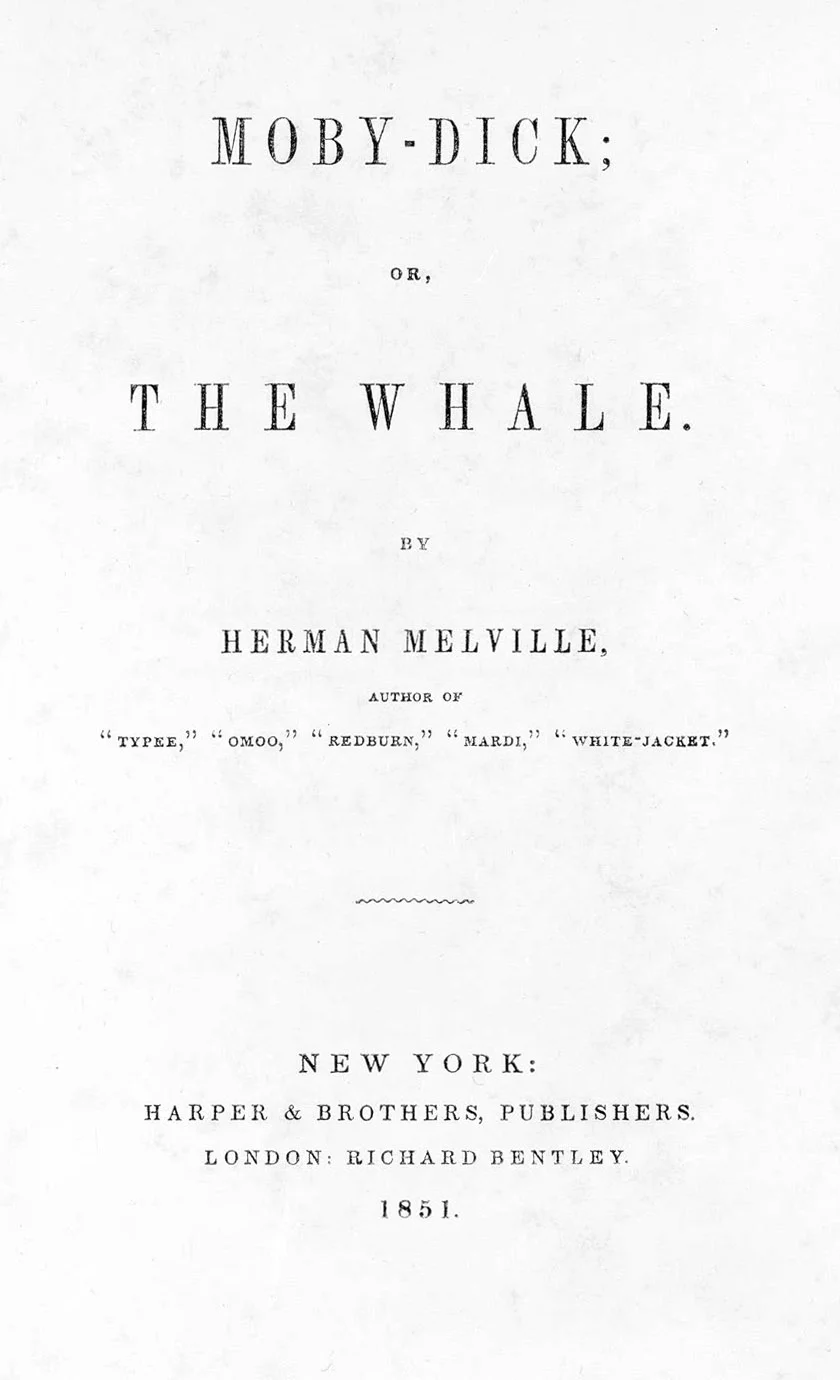
Daily Literature Page2026. 06. 13. 15:11:20"Call me Ishmael" — how Melville recruits his reader in three paragraphsMelville opens Moby-Dick with an imperative — "Call me Ishmael" — and spends the rest of Chapter 1 quietly enrolling the reader in Ishmael's oceanic depression and restlessness. A close read of the apostrophe device, three glosses on period vocabulary (spleen, hypos, Cato), and a reflection on what we return to when we cannot stay still.
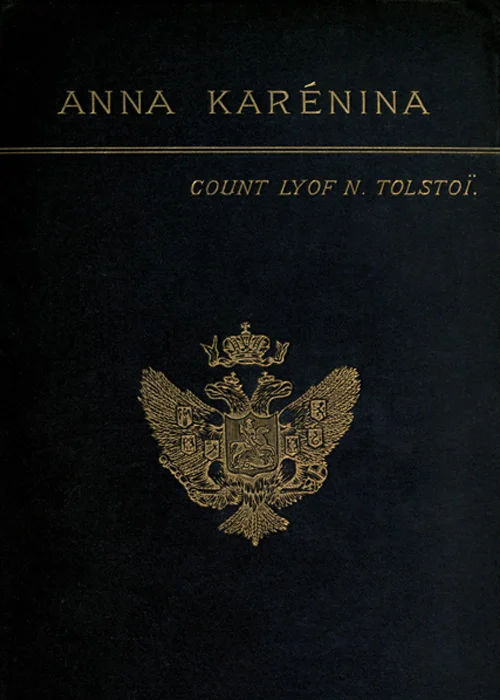
Daily Literature Page2026. 06. 12. 15:13:26"Every unhappy family is unhappy in its own way" — Tolstoy's opening sentence, examinedTolstoy opens Anna Karenina with a chiasmus that is also a theory of narrative: happiness is uniform, unhappiness is personal. A close read of the opening three paragraphs shows how Tolstoy announces the whole novel's method in under 200 words — moving from philosophical abstraction to a man on a leather sofa.
Daily Literature Page2026. 06. 12. 10:23:09"It was the best of times" — Dickens's most famous sentence, unpackedFourteen paired opposites. One unresolved sentence. Dickens opens A Tale of Two Cities (1859) with a rhetorical structure that suspends the reader between contradictions — and then mocks anyone who thinks their own era is uniquely dramatic. A close read of the passage, its key terms, and a reflection question.